The Laurier Centre for Sustainable Food Systems’ (LCSFS) podcast, Handpicked: Stories from the Field, explores how sustainable food system research can change how we produce, get, eat and understand our food. Handpicked is hosted and produced by Dr. Laine Young and Dr. Charlie Spring.
The Handpicked podcast was launched in 2019 and is now in its fifth season. In 2022, Handpicked's first season was recognized by Wilfrid Laurier University for its contribution to knowledge mobilization. Each episode includes show notes, educational materials such as discussion questions, a glossary of terms, and audio transcripts. You can subscribe to Handpicked wherever you get your podcasts or listen to full episodes using the links below.
Handpicked: Stories from the Field is licensed under a Creative Commons Attribution-NonCommercial-ShareAlike 4.0 International License.
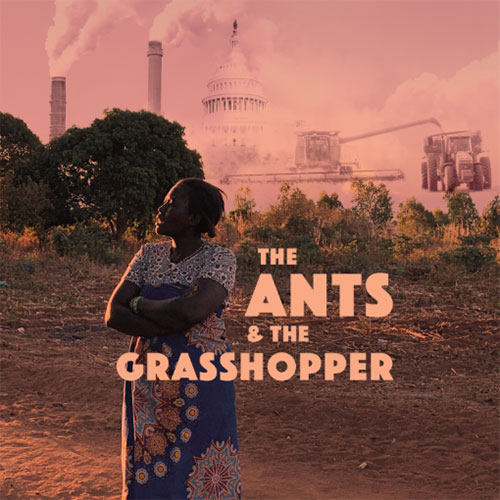
Featuring: Raj Patel
In this special episode of Handpicked: Stories from the Field we sit down with renowned author, activist, and filmmaker Raj Patel for an intimate, wide-ranging conversation about food justice, climate change, and solidarity across difference. The discussion takes listeners behind the scenes of his decade-long documentary project The Ants and the Grasshopper, co-directed with Zak Piper and centered on the powerful leadership of Malawian farmer and activist Anita Chitaya, and the work of Soils, Food, & Healthy Communities.
This episode explores how farmer-led agroecology, gender justice, and climate action are deeply intertwined. Raj reflects on the challenges and lessons of creating a truly participatory and decolonizing filmmaking process, one that ultimately shifted creative control toward Anita herself demonstrating a more ethical approach to telling stories from the Global South.
The conversation dives into key themes raised by the film: the gendered burdens of food and care work, the links between climate change and domestic violence, and the role of religion, race, and class in shaping food systems politics.
Listeners also hear about the film’s impact beyond the screen, from grassroots screenings in churches and social movements to its use as a tool for organizing. Throughout the episode, Raj emphasizes that real change comes not from individual actions or pity, but from collective organizing, movement-building, and an ethic of mutual liberation.
Featuring: Dr. Alison Blay-Palmer, Dr. Andrea Brown, and Carla Johnston
In this episode of Handpicked: Stories from the Field, we take listeners behind the scenes of a special International Women’s Day panel hosted by the Laurier Centre for Sustainable Food Systems. This event brought together women scholars and practitioners working across diverse food systems in Ecuador, Canada’s Northwest Territories, and Uganda.
Featuring insights from Dr. Alison Blay-Palmer, Carla Johnston, Dr. Andrea Brown, and your co-host, Dr. Laine Young, the episode explores how gender justice in food systems is deeply interconnected with migration, Indigenous governance, urbanization, power, and lived experience. Through case studies on urban agriculture in Quito, Indigenous food governance and agroecology in Canada’s North with the Sambaa K'e First Nation and Ka'a'gee Tu First Nation, the Committee on World Food Security for the Voluntary Guidelines on Gender Equality and Women and girls empowerment, and migrant food insecurity in Kampala, the speakers reflect on feminist and intersectional research, positionality, and the importance of community-based knowledge.
Together, they ask timely questions about who produces knowledge, whose voices are prioritized in research and policy, and how women and gender-diverse people are shaping more just and resilient food systems locally and globally.
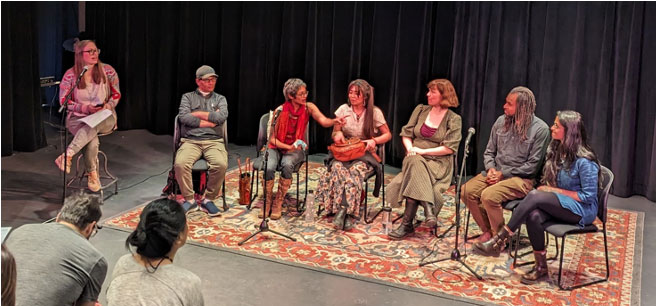
Featuring: Dr. Lauren Kepkiewicz, Avni Soma, Syma Habib, Jun Cacayuran, Melissa West Morrison, and Dr. Tatenda Mambo
In this episode of Handpicked: Stories from the Field, our conversation comes from the Bow Valley in Alberta, where a group of organizers, researchers, and community leaders gathered in 2024 to talk about food justice and the everyday work of reshaping food systems. In this episode, Charlie Spring sits down with the event’s co-organizers, Dr. Lauren Kepkiewicz and Avni Soma, to look back on what unfolded at their “Cultivating Community” gathering.
The episode brings together stories about community-led food aid, Indigenous food relationships, regenerative agriculture, migrant community organizing, and the emotional power of food to connect and transform. Alongside Lauren and Avni’s reflections, listeners hear short excerpts from the event’s panellists, Syma Habib, Jun Cacayuran, Melissa West Morrison, and Dr. Tatenda Mambo, whose perspectives and insights bring important nuance to the conversation.
Rather than framing food systems as problems to “fix,” the episode leans into questions of relationship, responsibility, and the slow, often messy work of imagining something better together. It’s a thoughtful, grounded start to the season, and an invitation to consider what food justice looks like in our own communities.
Featuring: The whole team!
In this episode of Handpicked: Stories from the Field, we present the last of this season featuring the Voicing Change podcast, in an episode called ‘Team Reflections on Podcasting for Social Change’ in which the whole Voicing Change team got together (virtually!) to reflect on some of the lessons learned in the process of co-developing a methodology for transnational and interdisciplinary podcasting. Responding to the question “What does ‘voicing change’ mean to you in the context of being part of this academic Community of Practice?”, team members from Canada, Kenya and Brazil discuss a number of emerging lessons, including how we co-construct meaning, the conditions necessary to elicit- and truly hear- others’ voices, and thoughts on the opportunities- and challenges- of the podcast format as a way for academics to really value the voices and experiences of our interlocutors. Voicing change, it seems, is change itself.
Featuring: Clark Siaji, Caleb Omolo, Andres Kathunzi
In this episode of Handpicked: Stories from the Field, we present an episode of the Voicing Change Podcast called, ‘Agroecology in Kenya'. Voicing Change team member and radio journalist Olga Millicent Awuor interviews two community leaders in agroecological and permacultural food production in the Migori County area. They consider alternative modes of farming as pathways to greater food sovereignty, especially for marginalized groups including women and youth. How can movements and practices for agroecology support decent livelihoods while restoring ecological diversity and resilience, and what are the barriers to change in Kenya, where agrifood policy tends to encourage monocultural production for export?
Featuring: Dr. Andrew Spring, Dr. Eve Nimmo, Dr. Erin Nelson
In this episode of Handpicked: Stories from the Field, we present an episode of the Voicing Change Podcast called, ‘Agroecology in Canada and Brazil’ in which we hear from three researchers investigating what agroecology means and looks like on the ground. Dr Erin Nelson describes her own discovery of agroecology in Cuba and Ontario and how she realised that it’s about more than just a set of techniques but also about a change of mindset in how we use land and resources. Additionally, it calls for knowledge co-creation between the experiential knowledge of food producers and researchers- and using this knowledge to nourish social movements that can transform agrifood policy and practices. Dr Eve Nimmo describes the Indigenous knowledge roots of agroecology in Latin America and describes agroecology as a way to work with farmers growing food in traditional ways in Brazilian forests. Dr Andrew Spring links this to Indigenous stewardship in northern Canada. But does it produce enough food?
Featuring: Dr. Eve Nimmo, Dr. Jennifer Baltzer, Dr. Zach Ngalo, and Dr. Andre Lacerda
In this episode of Handpicked: Stories from the Field, we present an episode of the Voicing Change Podcast called, “Forests, Food, and People – Part 2”. This is the second of a two part episode where Voicing Change team member Eve Nimmo interviews three forest researchers in Southern Brazil, Migori County, Kenya, and Northern Canada about relationships between forests, food and people. In this episode we hear about threats facing forests and forest communities – and how those communities and their allies are fighting back.
Featuring: Dr. Eve Nimmo, Dr. Jennifer Baltzer, Dr. Zach Ngalo, and Dr. Andre Lacerda
In this episode of Handpicked: Stories from the Field, we present an episode of the Voicing Change Podcast called, “Forests, Food, and People – Part 1”. This is the first of a two part episode where our guests will tell us about relationships between forests, food and people in different places. You’ll hear about the different types of forests that our guests work in, how people use these forests, and how the forests are managed. Voicing Change team member Eve Nimmo interviews three forest researchers in Southern Brazil, Migori County, Kenya, and Northern Canada.
Featuring: Dr. Andrew Spring, Dr. Eve Nimmo, Enock Mac'Ouma
In this episode of Handpicked: Stories from the Field, we present an episode of the Voicing Change Podcast called, “Introducing Voicing Change.” This episode introduces the project, "Voicing Change: Co-Creating Knowledge and Capacity for Sustainable Food Systems." The project connects community partners, researchers, and students from three regions—Northwest Territories; Migori County, Kenya; and Southern Brazil—to create a Community of Practice exploring local, innovative, and sustainable food systems that centre traditional and Indigenous knowledges.
The project aims to:
The project’s goal is to build a healthier, more equitable, and socio-ecologically resilient future that is grounded in sustainable local food systems and centres Indigenous and traditional knowledges.
Featuring: Naomi Robert
In this episode of Handpicked: Stories from the Field, we speak with Naomi Robert, a Research and Extension Associate at the Institute for Sustainable Food Systems at Kwantlen Polytechnique University and a PhD candidate at Simon Fraser University on her new project called “Beyond GDP: Lessons for Redefining Progress in Canadian Food System Policy”. Naomi discusses the problematic history of GDP as a measure of well-being in our country and how we can move towards measures that more accurately depict the well-being of Canadians.
Featuring: Dr. Evelyn Nimmo
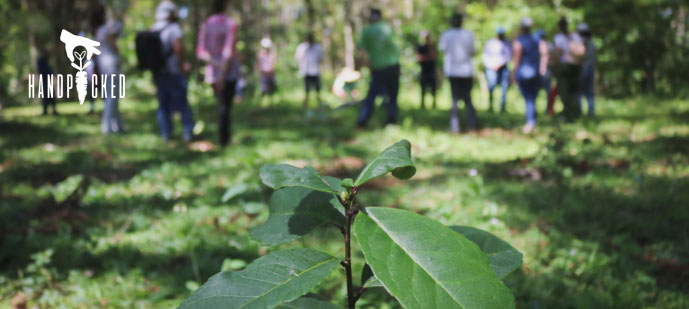
In this episode of Handpicked: Stories from the Field, we sit down with Dr. Evelyn Nimmo, a Research Associate with the LCSFS and the President of the Center for the Development and Education of Traditional Erva-mate Systems (CEDErva) in Paraná, Brazil. Dr. Nimmo shares the ongoing process of applying for the United Nations Food and Agriculture Organization’s (FAO) Globally Important Agricultural Heritage Systems (GIAHS) designation for the traditional agroforestry practices of growing erva-mate in Brazil. She shares the community-focused process, and how this designation might positively affect the practice on the ground.
Featuring: Dr. Erin Nelson, Dr. Sarah Larsen, Heather Newman, Brent Preston
In this episode of Handpicked: Stories from the Field, Dr. Erin Nelson from the University of Guelph interviews some of her community partners. She speaks with Dr. Sarah Larsen, Research Director at the Ecological Farmers Association of Ontario, and two participants in its farmer-led research program, Heather Newman and Brent Preston. The episode covers ecological farming and farmer-led research and shares important examples of what this looks like in the (quite literally) field.
Hosted by: Dr. Marylynn Steckley
Produced in collaboration with: Dr. Sonia Wesche, Victoria Marchand and Dr. Josh Steckley
In this episode of Handpicked: Stories from the Field, we present an episode of the Indigenous Health and Food Systems Podcast called, “Environmental Dispossession, Land, and the Environment”. This podcast is hosted by Dr. Marylynn Steckley from Carleton University and is produced in collaboration with Dr. Sonia Wesche and Victoria Marchand from the University of Ottawa and Dr. Josh Steckley from the University of Toronto, Scarborough. The Indigenous Health and Food Systems Podcast aims to elevate the voices of Indigenous scholars in the areas of Indigenous health, food sovereignty, and the social determinants of health. This episode explores the complicated nature of Indigenous connections to land, and how that impacts Indigenous food systems. The guests in the episode explore ideas of environmental dispossession, traditional Indigenous food practices, and environmental stewardship.
Hosted by: Dr. Marylynn Steckley
Produced in collaboration with: Dr. Sonia Wesche, Victoria Marchand and Dr. Josh Steckley
In this episode of Handpicked: Stories from the Field, we present an episode of the Indigenous Health and Food Systems Podcast called, “What are Indigenous Foods?” This podcast is hosted by Dr. Marylynn Steckley from Carleton University and is produced in collaboration with Dr. Sonia Wesche and Victoria Marchand from the University of Ottawa and Dr. Josh Steckley from the University of Toronto, Scarborough. The Indigenous Health and Food Systems Podcast aims to elevate the voices of Indigenous scholars in the areas of Indigenous health, food sovereignty, and the social determinants of health. This particular episode focuses on what Indigenous food are, and how there are many complex answers to that question because of the impacts of colonization.
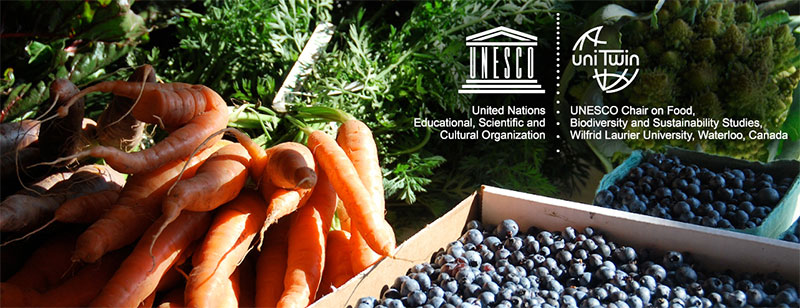
Featuring: Alison Blay-Palmer
In this episode of Handpicked: Stories from the Field, your hosts speak with Dr. Alison Blay-Palmer about the UNESCO Chair on Food, Biodiversity, and Sustainability. Dr. Blay-Palmer tells us about the priorities of the Chair (sustainable food production, Indigenous and traditional foodways, and transitions to just food systems) and some of the projects supported through the network. We also speak with some attendees of the United Nations Convention on Biological Diversity’s COP15 meetings in December 2022 about agroecology, biodiversity, and their hopes for the future with the Global Biodiversity Framework (GBF).
Featuring: Jamie-Lynne Varney
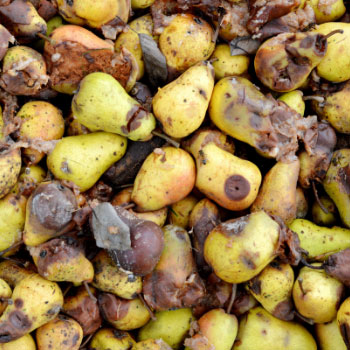
In this episode of Handpicked: Stories from the Field, we talked to Jamie-Lynne Varney, a master's student in the School of Resource and Environmental Management at Simon Fraser University (SFU) who prepared the recent report, “Right to Food Framework for Tackling Food Waste and Achieving a Just Circular Economy of Food in Vancouver, B.C.” This report was a collaboration between the Food Systems Lab at SFU and the Vancouver Economic Commission. The process brought together community experts from across the food system to uncover ways to make these food systems more sustainable by reframing food waste using a Right to Food approach. Using “Theory of Change” methodology, Jamie-Lynne and her colleagues identified existing challenges and opportunities in the food system and suggested possible interventions for creating pathways to a more just and circular food system in Vancouver.

Photo credit: Neala MacLeod Farley
Featuring: Mandy Bayha in conversation with Andrew Spring
In this episode of Handpicked: Stories from the Field, Mandy Bayha, Director for Culture, Language, and Spirituality for the Délįnę Got'įnę Government, talks with Dr. Andrew Spring about the importance of traditional knowledge and language for community wellbeing and resilience Délįnę, NWT. Beginning with a conversation about community resilience in the face of major crises such as the COVID-19 pandemic Mandy traces connections between colonialism, traditional economies, and food security and explains how Elder knowledge and youth engagement inform all the work taking place in the community.
Featuring: Harrison Runtz in conversation with Kelly Bronson, Irena Knezevic, and Carly Livingstone
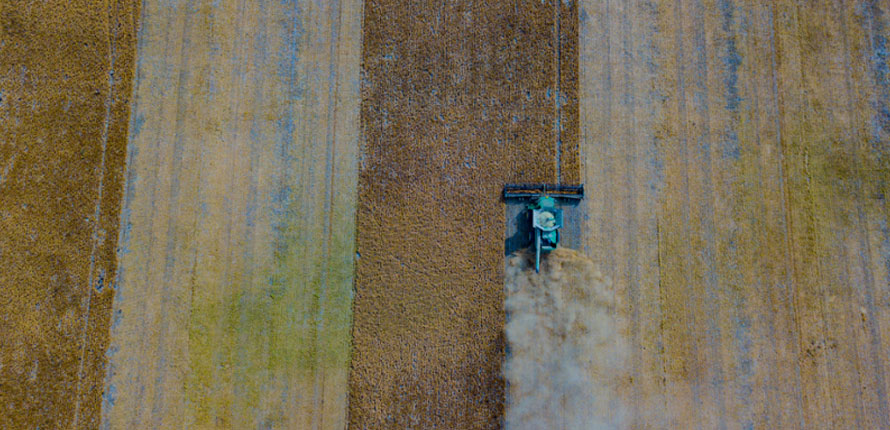
In this episode of Handpicked: Stories from the Field, guest producer Harrison Runtz talks with food systems experts Kelly Bronson, Irena Knezevic, and Carly Livingstone about how new digital technologies are changing the ways we grow and get food. They look at how big agri-businesses like John Deere create visions of a technological future of food, examine what Amazon’s entry into online food retailing has meant for small-scale and local food retailers, and argue for a more critical understanding about the impact of technological innovations on food systems. Together, they ask vital questions about who benefits and who doesn’t from new food technologies.
Featuring: Alexandra Rodriguez and Laine Young
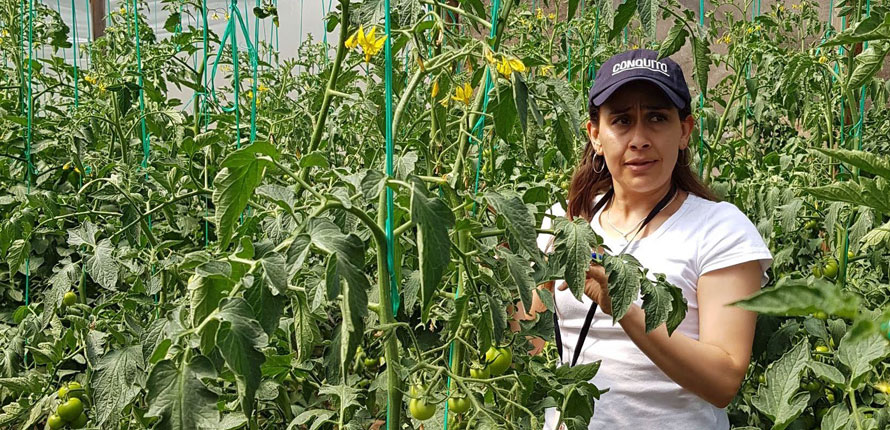
In this episode of Handpicked: Stories from the Field, Laine Young speaks with Alexandra Rodriguez about Agricultura Urbana Participativa AGRUPAR, an urban agriculture project that aims to address food insecurity and improve people’s lives by creating more a sustainable food system in Quito, Ecuador. Using an intersectional lens, Laine and Alexandra’s conversation looks at the positive community-wide impacts of women’s involvement in participatory urban agriculture projects and considers how women’s lived experience is governed by race, class, gender, sexuality, ability and other factors. Alexandra shares her experience working on the project as well as examples of how AGRUPAR is finding local solutions to the unique challenges facing Quito’s food system.
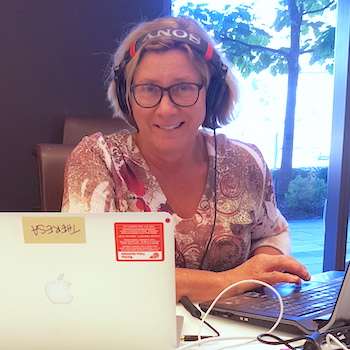
Technology is changing all aspects of the food system, including how smaller-scale farmers and food producers connect with different markets. In this episode of Handpicked, Dr. Theresa Schumilas describes her work as the Director of Open Food Network Canada, an open source software platform designed to help producers and eaters build better and more sustainable food systems. You’ll hear about how justice and fairness can inform an activist approach to coding and how non-proprietary software is contributing to food sovereignty in Canada and beyond. Using Open Food Network as an example, Dr. Shumilas explains how software platforms are helping smaller scale producers reimagine their operations by centring community, open source legal protections, and peer-to-peer learning.
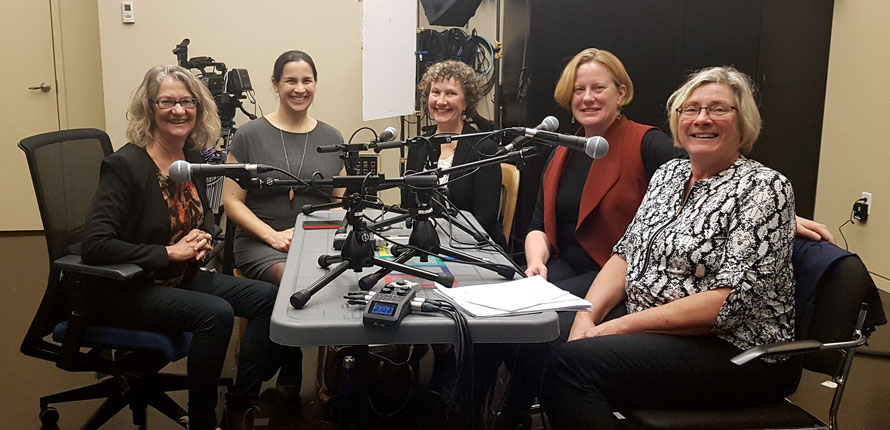
International agreements like the Sustainable Development Goals, the Milan Urban Food Policy Pact, and the New Urban Agenda can be imagined as shared blueprints for change. However, agreements negotiated between international actors can be difficult to implement at local and regional scales. In this episode of Handpicked, we talk to food systems actors and researchers working to connect international agreements with municipal and regional policy development. In our conversation with Alison Blay-Palmer, Patricia Ballamingie, Barbara Emanuel, and Theresa Schumilas we examine how international agreements are important tools for decisionmakers concerned with food, consider how storytelling is an important part of meaningful food advocacy and policy development, and look at how the City of Toronto’s has used the Milan Urban Food Policy Pact to inform policy and program development across the city.
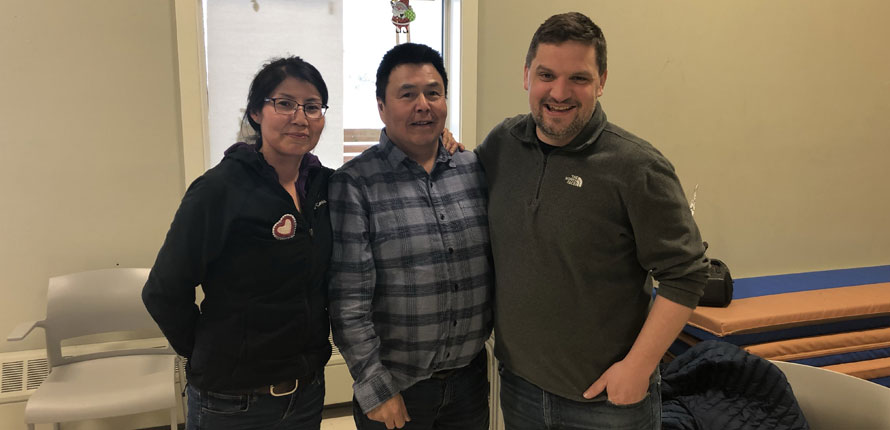
In this episode of Handpicked: Stories from the Field, co-producer Dr. Andrew Spring takes us through Part 2 of his conversation with Chief Lloyd Chicot and Melaine Simba of the Ka'a'gee Tu First Nation. Focusing on five key themes—youth, community gardening, community mapping, land stewardship and waste management—they explore how participatory action research driven by communities can have tangible and lasting impacts on everyday life and help facilitate the transfer of traditional knowledges to the next generation. They also reflect on how research has helped shape and support climate change adaptation strategies in Kakisa, NWT and the importance of building lasting relationships as part of this work.
In this episode of Handpicked: Stories from the Field, co-producer Dr. Andrew Spring sits down with Chief Lloyd Chicot and Melaine Simba of the Ka'a'gee Tu First Nation from the community of Kakisa in the Northwest Territories. Reflecting on their long partnership of collaboration, they talk about how climate change is impacting food systems in Canada's North and how their small community is finding ways to adapt to the changing landscapes. You'll hear about community-driven participatory action research and initiatives ongoing in Kakisa, the unique ways that food security issues impact northern Indigenous communities, the importance of the land, and how the community members are monitoring and adapting to the changes being observed.
In this episode of Handpicked: Stories from the Field, we sit down with Dr. Nevin Cohen, an Associate Professor at the City University of New York (CUNY) School of Public Health and the Research Director of the CUNY Urban Food Policy Institute in New York City, to explore how to measure food system change. Because of the complexity of our food systems, there are hundreds of metrics that can be used to measure sustainability and food system health. Dr. Cohen explains how food system researchers are rethinking the kinds of metrics they use in order to make important food policy decisions. Dr. Cohen highlights how hidden food metrics, or "Food Metrics 3.0," can provide us with more nuanced understandings of what is happening in our food systems so that we can work together to make those systems more sustainable.
Handpicked: Stories from the Field is licensed under a Creative Commons Attribution-NonCommercial-ShareAlike 4.0 International License.
Access, Use, and Distribution of these data, metadata, and associated materials are governed by this CC BY-NC-SA 4.0 license.
The terms of this license are available at: https://creativecommons.org/licenses/by-nc-sa/4.0/legalcode
A plain language summary of CC BY-NS-SA 4.0 is below. It does not replace the license. Under CC BY-NS-SA 4.0, users of this data, metadata, associated materials, but not code and scripts, are free to:
The CC BY-NC-SA 4.0 license has the following requirements: